
Energy/Fuel
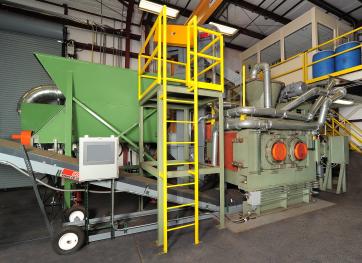
For thousands of years, the mechanical energy used by mankind came from animals and man's own muscles, with minor contributions from wind and water. It was not until the Industrial Revolution that the utilization of fuels and the efficient production of energy contributed in a significant way to man's progress. With the maturing of new energy technologies came the need for improved conversion efficiency and cleaner emissions.
The 1970's energy crisis triggered interest in the development of alternative fuel sources, including oil shale and biomass, and processes to utilize them. Today, "fuel" can be any one of a broad range of substances, including many that were previously considered wastes from agriculture, forestry, and manufacturing. Since 1961, Hazen Research, Inc. has played a significant role in developing energy-efficient processes, enhancing fuels, and reducing emissions from energy production and utilization. What we do is make fuels more usable to provide energy for mankind. Our Energy and Fuels Services, which center around the development of new processes and improvements to existing processes, include complete fuels characterization, laboratory and pilot plant testing, engineering, and field services.
Capabilities
Contact Hazen
Main (303) 279 4501
Fax (303) 278 1528
E-mail / Directions
Submit RFP